Post-Renovation Cleaning Warsaw After Winter: What To Clean First And Why It Matters
 02.11.2026
Completing a renovation project during or immediately following the harsh winters of Warsaw presents unique challenges that differ significantly from summer projects. The combination of construction dust settling in freezing temperatures, followed by sudden thawing cycles, leaves behind specific residues and moisture risks that require immediate professional attention.
If you have recently finished a remodeling job in your home within the capital city or surrounding areas like Mokotow or Wola (without mentioning other cities), understanding what to clean first is critical for air quality and structural integrity. The cold weather can trap dust deep into grout lines, while de-icing salts from winter maintenance often leave corrosive traces on entryways.
This guide outlines the specific protocol for post-renovation cleaning in Warsaw after winter to ensure your home is safe, hygienic, and aesthetically pleasing before you fully reopen it. We will explore why standard summer cleaning methods fail here, how to handle moisture risks associated with heating systems turning back on, and exactly which areas need priority attention.

The Unique Challenges of Post-Renovation Cleaning in a Winterized Home
When you renovate during the cold months or finish just as temperatures drop below freezing, your home behaves differently than it does in summer. Construction dust consists largely of drywall particles and cement residues that become brittle when exposed to Warsaw's sub-zero conditions.
• Dust Settling Patterns: Cold air holds less moisture but creates stronger drafts through windows, pushing fine particulate matter into corners where it settles permanently if not vacuumed correctly before heating resumes.
• Flooring Vulnerability: New flooring installed during winter may have expanded or contracted due to temperature fluctuations. Cleaning agents must be pH-neutral to prevent cracking grout lines on cold floors.
• Mold Spore Activation: Once you turn your heating systems back up after a long shutdown, residual moisture from the thaw can trigger mold growth if surfaces were not dried thoroughly during construction cleanup.
Standard cleaning services often rush through dust removal. However, in Warsaw's climate, ignoring winter-specific residues means inviting allergens and structural damage later. You must prioritize removing dry debris before wet mopping to avoid pushing grit into fresh joints or damaging new sealants applied during the renovation.
Priority One: Removing Settled Construction Dust Without Spreading It
The first step in post-renovation cleaning after winter is a thorough dust extraction process. This must be done before any wet cleaning begins, as moisture will turn dry construction dust into paste-like residue that clogs drains and damages finishes.
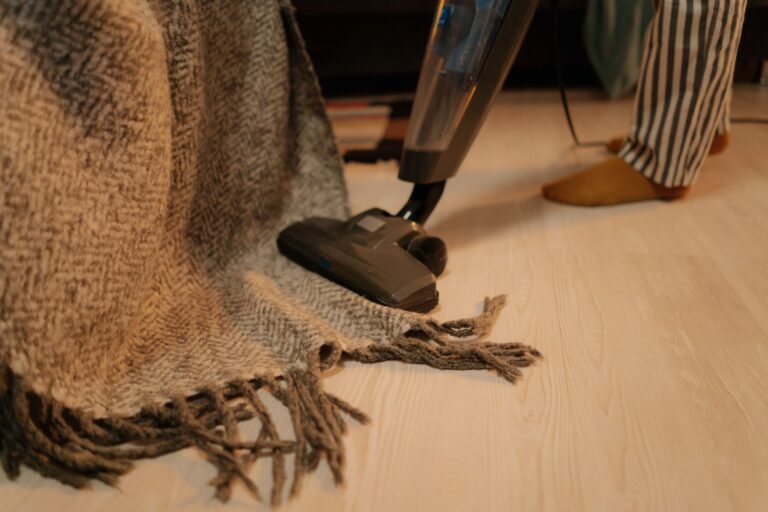
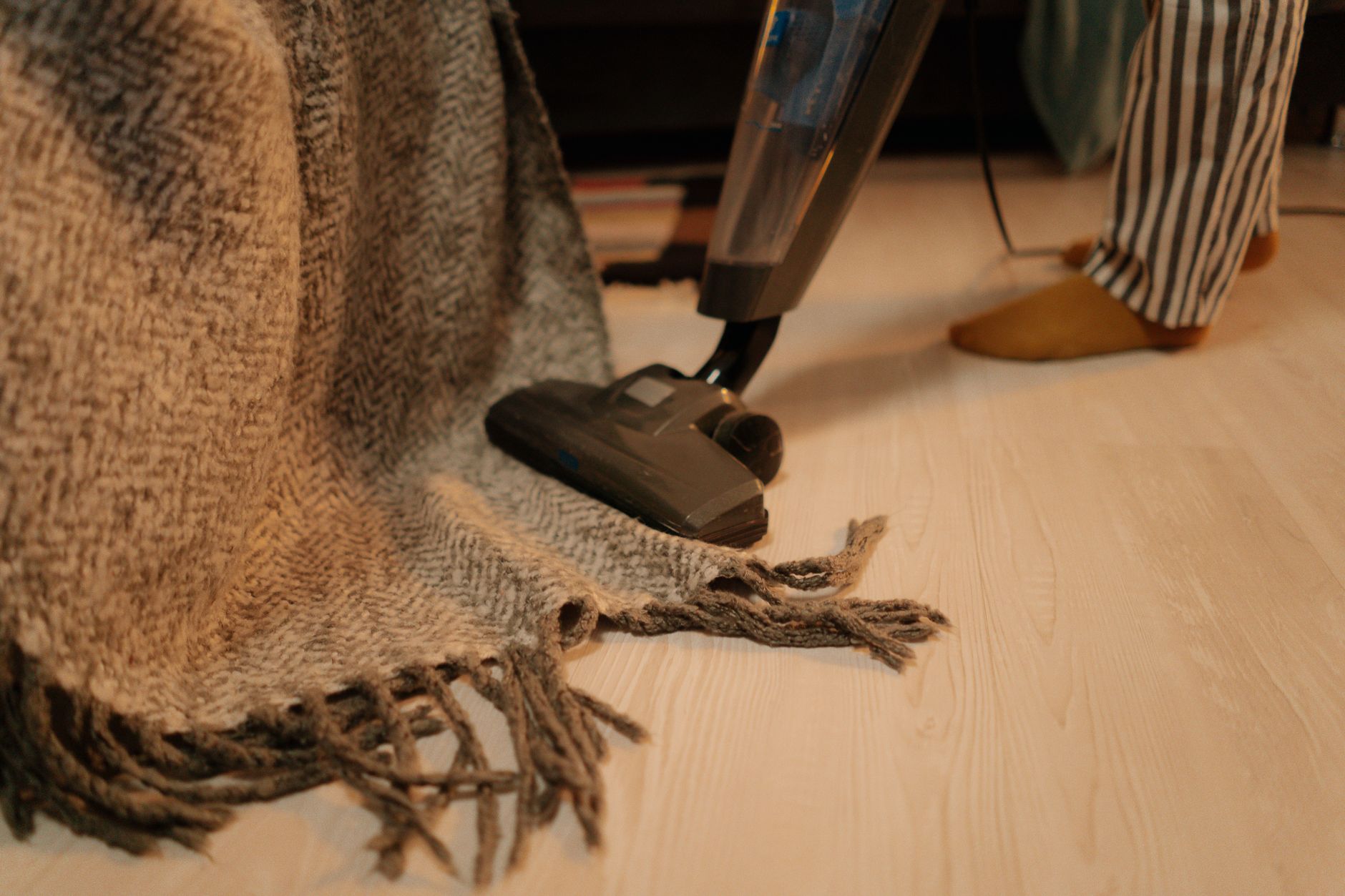
Use HEPA-filter vacuums specifically designed for renovation sites to capture fine particulates without blowing them back into the air stream. Focus on baseboards where cold drafts often push debris upward. In Warsaw, many homes have high ceilings; ensure you are cleaning up dust that has fallen from roof insulation or attic work done during winter.
For windows and glass surfaces exposed to freezing temperatures, do not use standard squeegees immediately after a snowfall cleanup residue remains on the exterior of buildings. Clean interior frames first using microfiber cloths dampened with distilled water mixed with specialized degreasers. This prevents mineral deposits from hard tap water in Warsaw's plumbing system from leaving spots that are difficult to remove later.
Addressing Moisture and Mold Risks After the Cold Season
The transition from winter heating shutdowns back on full power creates a perfect environment for mold if moisture levels were not managed correctly during construction. Post-renovation cleaning in Warsaw after winter requires special attention to humidity control.
• Check Ventilation Grilles: Ensure air vents are free of dust and lint before the heating system runs at full capacity again.
• Invisible Moisture Traps: Inspect behind cabinets in kitchens where water pipes might have frozen or thawed improperly during renovation work.
Mold spores thrive when humidity rises, which happens quickly once you turn on your central heating after a long cold spell. If construction materials like wood framing were exposed to rain before winter ended without proper sealing, they may be rotting inside walls by now. Cleaning services must inspect these areas for dampness.
Use antimicrobial sprays specifically formulated for residential use in Warsaw's water hardness conditions. Hard tap water can leave calcium deposits that trap moisture against surfaces where mold starts to grow. Ensure all grout lines are sealed properly after cleaning with mildew-resistant sealants designed for cold climates.
Deep Cleaning Bathrooms and Kitchens Against Winter Humidity Buildup
Kitchens and bathrooms are the most vulnerable areas during winter renovations because they involve plumbing work near freezing pipes. If you renovated a kitchen, check under sinks where water might have leaked unnoticed when temperatures dropped.
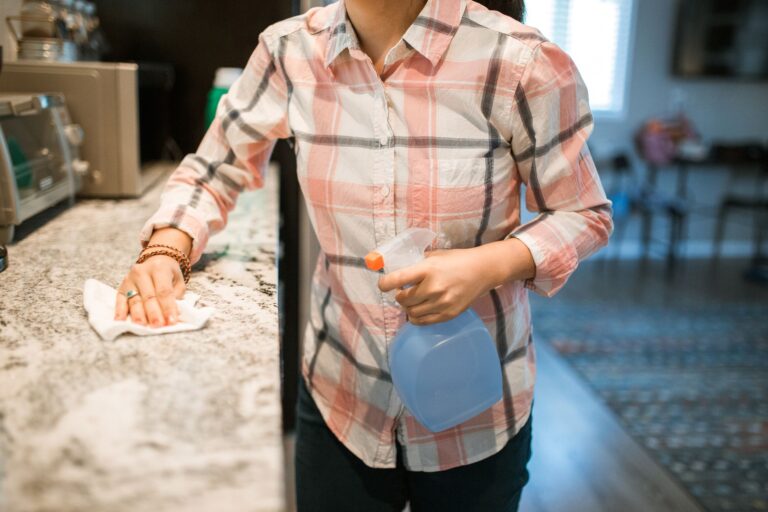
Wipe down all countertops with an alcohol-based cleaner to kill bacteria that settled on surfaces while the house was vacant or cold. Pay special attention to backsplashes behind stoves and ranges where grease can mix with winter dust from outside air entering through open windows during construction days.
In bathrooms, scrub tiles thoroughly using a bleach solution diluted according to manufacturer instructions for Warsaw's water quality standards. Do not use abrasive cleaners on new porcelain or ceramic fixtures installed recently as they may still have protective coatings that need time to cure before harsh chemicals are applied again.
Exterior Glass and Entryway Maintenance for Warsaw Homes
If your renovation included replacing windows or doors, the exterior glass must be cleaned immediately after winter ends. De-icing salts used on sidewalks in Warsaw can splash onto building exteriors during heavy snowfalls, leaving corrosive streaks that damage window frames over time.
• Frame Protection: Clean aluminum or PVC frames with neutral pH cleaners to prevent oxidation caused by salt residue.
• Gasket Inspection: Check weather stripping for tears where cold air might have entered during construction cleanup phases.
Cleaning entryways is crucial because residents often bring in snow and ice from outside. If you did not clean the threshold area thoroughly after winter, salt granules can corrode new flooring materials installed during renovation projects. Use a soft bristle broom to sweep away grit before wet cleaning begins.
HVAC System Sanitization Before Summer Heating Season Prep
Heating systems are often neglected when homes sit empty or cold for long periods after winter construction ends. Dust can accumulate in ducts, reducing airflow efficiency and circulating allergens throughout your renovated home once heating starts again.
Schedule a professional HVAC inspection as part of post-renovation cleaning services to ensure filters are clean and coils free from dust buildup. This is especially important if you installed new units during the renovation process before winter fully settled in.
A Comprehensive Post-Renovation Cleaning Checklist for Warsaw Residents
To help homeowners decide whether they need professional assistance or can handle tasks themselves, here is a detailed checklist tailored to post-renovation cleaning needs after winter:
• Inspect All Floors: Vacuum dry dust from new flooring with HEPA vacuums before mopping. Check for water damage near entryways where snow was tracked in.
• Clean Windows and Frames: Remove salt streaks and frost marks using distilled water solutions to prevent mineral deposits on glass surfaces exposed to winter weather conditions.
• Sanitize Bathrooms: Use antimicrobial agents designed for cold-water environments. Scrub grout lines thoroughly where moisture may have pooled during thaw cycles.
• Dust High Surfaces: Wipe down light fixtures, ceiling fans, and high shelves that accumulated dust while the house was closed or heated minimally after winter construction ended.
• Check HVAC Filters: Replace filters in all heating units to ensure clean air circulation when temperatures rise again for summer living comfort levels.
Following this checklist ensures that your renovated home is safe from mold, dust mites, and structural damage caused by improper cleaning methods specific to Warsaw's winter climate. Professional cleaners understand the local water hardness issues and can provide solutions tailored to these conditions without damaging new fixtures or finishes.
Closing Thoughts on Post-Renovation Cleaning in Warsaw
Do not wait until spring fully arrives before addressing post-renovation cleaning needs after winter delays. The longer you leave construction dust settled, the harder it becomes to remove from porous materials like wood flooring or drywall patches made during cold weather.
Contact Our Team for Professional Cleaning Services
If your renovation project in Warsaw has just concluded and you are facing the challenges of winter residue cleanup, contact our team today. We specialize in post-renovation cleaning services tailored to local conditions including hard water management and mold prevention strategies.
Our technicians use eco-friendly products safe for pets and children while ensuring every corner is spotless before heating systems turn back on full power again. Schedule your consultation now to secure a clean slate for your new home renovation project in Warsaw's competitive housing market.