


























Incredible urban evolution: the rise of skyscrapers in city centers️

Introduction: The Marvel of Skyscrapers
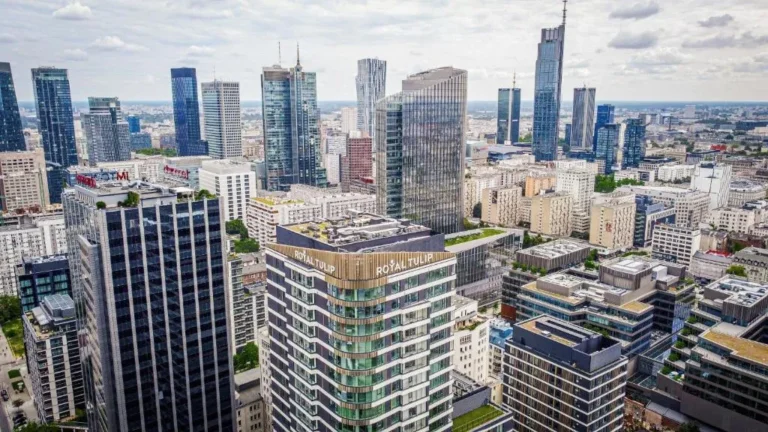
In the urban landscapes of the 21st century, skyscrapers stand as towering symbols of human ingenuity and ambition. These architectural marvels not only define city skylines but also offer solutions to the challenges of urbanization. As cities grow, the need for space-efficient buildings becomes paramount, and skyscrapers provide a vertical solution to a horizontal problem.
Historical Context: From Pyramids to Skyscrapers
The concept of towering structures is not new. Ancient civilizations built pyramids and towers as symbols of power and religious devotion. The modern skyscraper, however, began to take shape in the late 19th century with technological advancements such as the elevator and steel-frame construction. Chicago's Home Insurance Building, completed in 1885, is often cited as the first skyscraper, marking the beginning of an era that would transform urban landscapes worldwide.
Technological Innovations: Foundations of Height
The rise of skyscrapers is deeply intertwined with technological advancements in construction. The development of steel frames allowed buildings to reach unprecedented heights. Additionally, the invention and refinement of the elevator made upper floors accessible and desirable. Modern skyscrapers also rely on advanced wind engineering to ensure stability, with techniques like tuned mass dampers and aerodynamic shapes mitigating the forces of nature.
Economic Drivers: Urbanization and Real Estate
The push towards vertical construction is largely driven by economic factors. Rapid urbanization and population growth have increased the demand for real estate in city centers. Skyscrapers maximize the utility of limited land by offering extensive floor space in a compact footprint. They also contribute to the economic vitality of urban areas by attracting businesses, residents, and tourists, thereby increasing property values and generating significant economic activity.
Architectural Styles: A Diverse Skyline
Skyscrapers are not merely functional; they are also artistic expressions. Architectural styles of skyscrapers have evolved over the decades, reflecting cultural and aesthetic trends. From the Art Deco elegance of New York's Chrysler Building to the modernist simplicity of London's Shard, each skyscraper tells a unique story. The trend towards environmentally sustainable design has also influenced the aesthetics of skyscrapers, with features like green roofs and facades becoming more common.
Environmental Considerations: Sustainable Skyscrapers
The environmental impact of skyscrapers is a critical consideration in their design and construction. Modern skyscrapers are increasingly incorporating sustainable design principles, such as energy-efficient systems, renewable energy sources, and sustainable materials. Green building certifications, like LEED, are becoming standard, pushing architects to innovate in ways that reduce a building's carbon footprint and enhance its environmental performance.
Societal Impact: Changing the Urban Fabric
Skyscrapers significantly influence the social and cultural dynamics of urban areas. They redefine cityscapes, often becoming landmarks that symbolize a city's identity. The concentration of businesses and residences in skyscrapers fosters a vibrant urban life, promoting walkability and reducing the need for car travel. However, they also pose challenges, such as increased congestion and the potential for socioeconomic stratification within urban settings.
Case Study: The Burj Khalifa
The Burj Khalifa in Dubai is a quintessential example of the ambition and complexity involved in constructing a modern skyscraper. Standing at 828 meters, it is currently the tallest building in the world. The Burj Khalifa showcases advanced engineering techniques, such as its Y-shaped floor plan that enhances structural stability. The building's construction required over 330,000 cubic meters of concrete and 39,000 tonnes of steel reinforcement, highlighting the scale and resource investment involved in such projects.
Urban Planning: Integrating Skyscrapers
Effective urban planning is crucial for integrating skyscrapers into existing city infrastructures. Planners must consider various factors, such as transportation networks, utility services, and public spaces, to ensure that skyscrapers enhance rather than hinder urban life. Zoning laws and building codes also play vital roles in dictating where and how skyscrapers can be constructed, balancing the need for development with the preservation of historical and cultural sites.
Future Trends: The Next Generation of Skyscrapers
The future of skyscrapers is poised to be shaped by technological innovation and changing societal needs. Innovations such as 3D printing, modular construction, and smart building technologies promise to revolutionize how skyscrapers are designed and built. Additionally, as cities become more interconnected, skyscrapers are likely to incorporate multifunctional spaces that blend residential, commercial, and recreational uses, creating self-sustaining vertical communities.
Conclusion: Skyscrapers as Catalysts of Urban Evolution
Skyscrapers are more than just buildings; they are catalysts of urban evolution. By pushing the boundaries of architecture and engineering, they enable cities to grow sustainably and dynamically. As we continue to face the challenges of urbanization, skyscrapers will play an integral role in shaping the future of our cities, offering innovative solutions to complex problems.
FAQ
1. What was the first skyscraper ever built? The first skyscraper is considered to be the Home Insurance Building in Chicago, completed in 1885. Designed by architect William Le Baron Jenney, it stood 10 stories high and utilized a steel frame, which was revolutionary for its time. This innovation allowed for greater height and stability, setting a precedent for future skyscrapers.
2. How do skyscrapers withstand strong winds and earthquakes? Skyscrapers are engineered to withstand environmental stresses like wind and earthquakes through various structural innovations. Techniques such as tuned mass dampers, which are large pendulum-like structures that counteract swaying, and flexible foundations that absorb seismic shocks, are commonly used. Additionally, aerodynamic designs minimize wind resistance, contributing to the building's stability.
3. Are skyscrapers environmentally friendly? Modern skyscrapers are increasingly designed with sustainability in mind. Many incorporate energy-efficient systems, use renewable energy sources, and are constructed with sustainable materials. Certifications like LEED encourage these practices, making skyscrapers more environmentally friendly. However, the overall environmental impact depends on various factors, including location, design, and operational efficiency.
4. What is the tallest skyscraper in the world? As of now, the Burj Khalifa in Dubai holds the title of the tallest skyscraper, reaching a height of 828 meters. It exemplifies cutting-edge engineering and design, incorporating features like a Y-shaped floor plan for stability and advanced building materials. The Burj Khalifa has set a high benchmark for future skyscrapers aiming to break height records.
5. Why do cities build skyscrapers? Cities build skyscrapers primarily to maximize space in densely populated areas. Skyscrapers provide a high density of usable space in a small footprint, making them ideal for urban centers where land is scarce and expensive. They also contribute to a city's economic growth by attracting businesses and residents, enhancing the urban fabric.
6. What are some challenges associated with living in skyscrapers? Living in skyscrapers presents unique challenges, such as potential isolation from street-level activities and social interactions. Residents may also face issues related to noise, limited outdoor spaces, and reliance on elevators. However, many modern skyscrapers address these challenges with amenities like communal areas, gardens, and advanced soundproofing.
7. How do skyscrapers influence urban design? Skyscrapers significantly influence urban design by shaping city skylines and urban density. They encourage vertical growth, allowing cities to accommodate more residents and businesses without expanding outward. This vertical expansion can lead to more efficient public transportation systems and reduced urban sprawl, promoting sustainable urban development.
8. What role do skyscrapers play in a city's economy? Skyscrapers are vital to a city's economy as they attract businesses and residents, increasing demand for goods and services. They often house corporate offices, luxury residences, and retail spaces, contributing to economic activity. The construction and maintenance of skyscrapers also generate jobs, further stimulating economic growth.
9. How do architects ensure the safety of skyscrapers? Architects ensure the safety of skyscrapers through meticulous design and engineering practices. They conduct rigorous wind and seismic testing, use high-quality materials, and adhere to stringent building codes. Advanced fire safety systems and regular inspections are also integral to maintaining a skyscraper's safety standards.
10. What future technologies might influence skyscraper design? Future technologies like 3D printing, modular construction, and smart building systems are likely to influence skyscraper design. These innovations can reduce construction costs, enhance energy efficiency, and allow for more flexible and adaptive spaces. As technology advances, skyscrapers will continue to evolve, meeting the changing needs of urban populations.
{'title': 'Unlocking City Charm: A Definitive Guide to Urban Walkability Index', 'sections': [{'heading': 'Introduction to Urban Walkability', 'content': 'Urban walkability refers to how friendly an area is to walking. It encompasses a variety of factors, including the availability and quality of pedestrian pathways, safety, accessibility, and connectivity to key destinations. Walkable cities are known for their ability to promote healthier lifestyles, reduce congestion, and enhance the local economy. As cities continue to grow and evolve, understanding and improving walkability has become a crucial aspect of urban planning.'}, {'heading': 'The Importance of Walkability in Cities', 'content': 'Walkability significantly impacts the quality of life in urban environments. Walkable cities tend to have lower pollution levels, reduced carbon footprints, and improved public health outcomes. Additionally, they often boast vibrant local economies as pedestrians are more likely to shop at local businesses. Walkability also enhances social interactions, providing opportunities for community engagement and fostering a sense of belonging among residents.'}, {'heading': 'Key Components of Urban Walkability', 'content': 'Several key components contribute to urban walkability: pedestrian infrastructure, safety, connectivity, accessibility, and land use diversity. Pedestrian infrastructure includes sidewalks, crosswalks, and pedestrian-only zones. Safety is ensured through proper lighting, traffic calming measures, and pedestrian-friendly traffic signals. Connectivity refers to the ease with which pedestrians can reach various destinations. Accessibility ensures that routes are usable by all individuals, including those with disabilities. Land use diversity involves having a mix of residential, commercial, and recreational areas within walking distance.'}, {'heading': 'Measuring the Walkability Index', 'content': 'The walkability index is a quantitative measure of how pedestrian-friendly an area is. It typically includes metrics such as street connectivity, land use mix, residential density, and the presence of pedestrian amenities. Tools like Walk Score, which rates locations based on their proximity to amenities, public transportation, and walking routes, are widely used. A high walkability score indicates that amenities are easily accessible on foot, promoting a pedestrian-friendly environment.'}, {'heading': 'Case Study: Walkability in Copenhagen', 'content': "Copenhagen is often cited as one of the most walkable cities in the world. The city prioritizes pedestrians and cyclists, with extensive networks of pedestrian-only streets and bike lanes. Public spaces are designed to encourage walking and socializing, contributing to the city's high quality of life. The successful integration of pedestrian infrastructure with public transportation has made Copenhagen a model for urban walkability."}, {'heading': 'Challenges in Improving Urban Walkability', 'content': 'Improving urban walkability presents several challenges. Existing infrastructure may need substantial redesign to accommodate pedestrians. Space constraints, especially in densely populated areas, can limit the expansion of pedestrian zones. Balancing the needs of pedestrians with vehicular traffic and public transportation requires careful planning. Additionally, financing such projects can be difficult, particularly in cities with limited budgets.'}, {'heading': 'Innovative Solutions for Enhancing Walkability', 'content': "Cities worldwide are adopting innovative solutions to enhance walkability. Implementing 'Complete Streets' policies ensures that streets are designed for all users, not just motorists. The creation of pedestrian plazas and car-free zones provides safe and attractive spaces for walking. Smart city technologies, like real-time traffic monitoring and adaptive traffic signals, improve pedestrian safety and convenience. These innovations demonstrate that enhancing walkability is achievable through creative urban planning."}, {'heading': 'Role of Technology in Urban Walkability', 'content': 'Technology plays a significant role in improving urban walkability. Mobile applications and online platforms provide real-time information on pedestrian routes, public transportation schedules, and nearby amenities. GIS mapping tools help planners analyze walkability data and design more pedestrian-friendly urban environments. Technology also facilitates community engagement, allowing residents to participate in decision-making processes related to walkability improvements.'}, {'heading': 'Community Engagement in Walkability Initiatives', 'content': 'Community engagement is essential for successful walkability initiatives. Residents provide valuable insights into the challenges and needs of their neighborhoods. Workshops, public meetings, and surveys are effective ways to gather community input. Engaging the community ensures that walkability projects are tailored to local needs and gain public support, which is crucial for their implementation and sustainability.'}, {'heading': 'Economic Benefits of Walkable Cities', 'content': 'Walkable cities offer numerous economic benefits. Increased foot traffic boosts local businesses, leading to economic growth. Walkability attracts tourists, further contributing to the economy. Property values tend to be higher in walkable areas, benefiting homeowners and local governments through increased tax revenues. Investing in walkability can thus provide significant returns, making it an attractive option for urban planners and policymakers.'}, {'heading': 'Future of Urban Walkability', 'content': 'The future of urban walkability looks promising as cities continue to prioritize sustainable development. Emerging trends include the integration of green spaces into urban environments, the promotion of mixed-use developments, and the expansion of pedestrian networks. As technology advances, cities will increasingly leverage data-driven approaches to optimize walkability. Collaborative efforts between governments, communities, and private sectors will be essential in creating walkable cities that enhance the quality of urban life.'}], 'faq': [{'question': 'What is a walkability index?', 'answer': 'A walkability index is a measure that quantifies how pedestrian-friendly an area is. It considers factors like the presence of pedestrian infrastructure, connectivity to destinations, and land use diversity. Higher scores indicate better walkability, meaning that residents can access amenities easily by walking.'}, {'question': 'Why is walkability important for urban areas?', 'answer': 'Walkability is crucial for urban areas as it promotes healthier lifestyles, reduces traffic congestion, and enhances local economies. Walkable environments encourage social interactions and community engagement, leading to improved quality of life. Additionally, they contribute to environmental sustainability by reducing reliance on automobiles.'}, {'question': 'How is walkability measured?', 'answer': 'Walkability is measured using various metrics such as street connectivity, land use mix, and the density of pedestrian amenities. Tools like Walk Score provide ratings based on the proximity of amenities and public transportation options. Urban planners use these metrics to assess and improve the walkability of cities.'}, {'question': 'What are some examples of walkable cities?', 'answer': 'Examples of walkable cities include Copenhagen, Amsterdam, and New York City. These cities are known for their extensive pedestrian infrastructure, vibrant public spaces, and effective integration with public transportation. They prioritize pedestrian safety and convenience, making them models for urban walkability worldwide.'}, {'question': 'What challenges do cities face in improving walkability?', 'answer': 'Cities face challenges such as limited space for expanding pedestrian zones, balancing the needs of different modes of transportation, and securing funding for walkability projects. Existing infrastructure may require significant redesign to accommodate pedestrians, and gaining public support can also be a challenge.'}, {'question': 'How can technology enhance urban walkability?', 'answer': 'Technology enhances urban walkability through mobile apps providing real-time route information, GIS tools for planning pedestrian-friendly environments, and smart traffic systems for improved safety. It also facilitates community engagement, allowing residents to contribute to decision-making in walkability initiatives.'}, {'question': 'What role do communities play in walkability initiatives?', 'answer': 'Communities play a vital role in walkability initiatives by providing insights into local needs and challenges. Engaging residents through workshops and surveys ensures that projects are tailored to their needs, gaining public support for implementation. Community involvement is crucial for the sustainability of walkability improvements.'}, {'question': 'What are the economic benefits of walkable cities?', 'answer': 'Walkable cities boost local economies by increasing foot traffic to businesses and attracting tourists. They also lead to higher property values and increased tax revenues, providing significant economic returns. Investing in walkability is thus beneficial for urban development and economic growth.'}, {'question': 'How does walkability impact public health?', 'answer': 'Walkability positively impacts public health by encouraging physical activity, reducing pollution, and lowering the incidence of lifestyle-related diseases. Walkable environments promote active transportation like walking and cycling, leading to healthier populations and reduced healthcare costs.'}, {'question': 'What trends are shaping the future of urban walkability?', 'answer': 'Trends shaping urban walkability include the integration of green spaces, promotion of mixed-use developments, and expansion of pedestrian networks. Technological advancements will drive data-driven approaches to optimize walkability. Collaboration between governments, communities, and private sectors will be key in these developments.'}]}