






















































The Transformative Impact of Ukrainian Influx on Warsaw and Polish Cities: A Comprehensive Analysis

In recent years, Poland has become an attractive destination for many, particularly Ukrainians seeking stability, work opportunities, and a more promising future. The remarkable demographic shift in Polish cities, primarily driven by this influx, has begun to transform not only Warsaw but other key urban centers as well. This exploration addresses the tangible impacts of this migration and delves into the intricate population changes redefining the Polish urban fabric.

Unpacking the Demographic Wave: Why Ukrainians are Moving to Poland
As geopolitical tensions and economic challenges persist in Ukraine, Poland has emerged as a beacon of hope for many. The country’s dynamic economy, relatively low cost of living compared to Western Europe, and cultural similarities make it an appealing destination for Ukrainian migrants. But what are the driving factors fueling this demographic shift?
-
Economic Opportunities:
- Thriving Industries: Sectors like IT, construction, and manufacturing in Poland are burgeoning, offering numerous job opportunities for Ukrainians.
- Wage Improvements: Many find the wages significantly better in Poland compared to Ukraine, despite not matching Western Europe levels.
-
Education and Lifestyle:
- Accessible Education: Polish institutions offer education in English and Polish, attracting Ukrainian students.
- Lifestyle Alignment: Cultural similarities and shared history enhance integration for Ukrainian migrants.
Warsaw at a Crossroads: How The City is Adapting
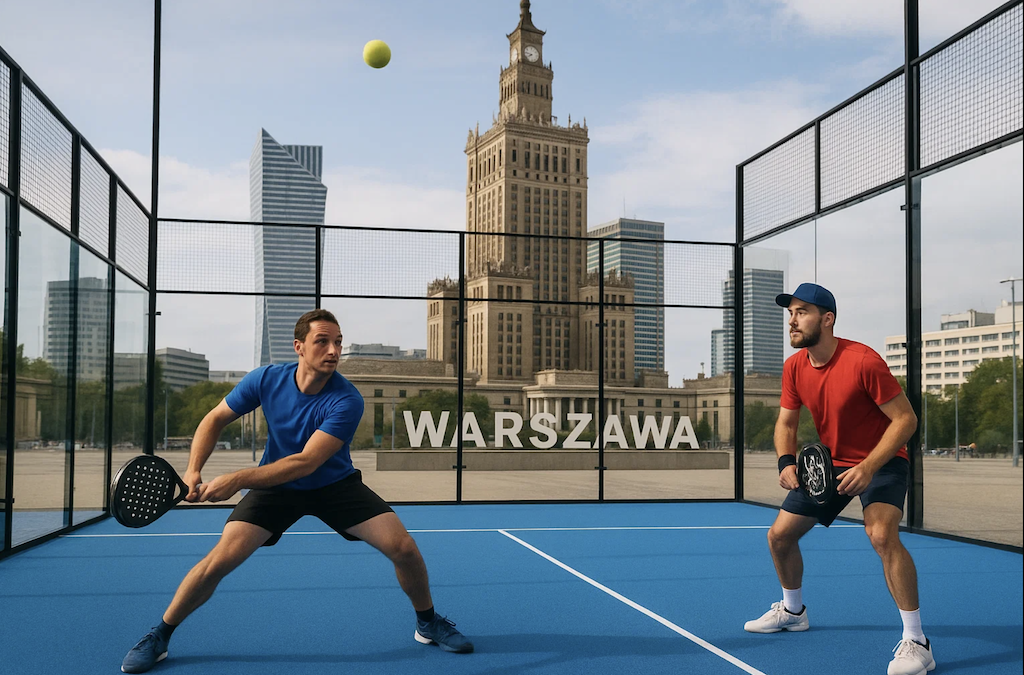
Warsaw, Poland’s bustling capital, stands at the forefront of this demographic evolution.
- Infrastructure Adaptations: New housing projects and infrastructure enhancements are underway to accommodate the growing diversity.
- Cultural Fusion: Emerging Ukrainian cultural centers and associations provide spaces for community interactions and celebrations.
Broader Impact: Other Polish Cities Under the Spotlight
Outside of Warsaw, cities like Krakow, Wroclaw, and Gdansk are experiencing similar transformations.
- Krakow: Sees a burgeoning Ukrainian student population enriching its academic offerings.
- Gdansk and Wroclaw: Boast robust transport and service sectors absorbing the migratory workforce effectively.
Answering the Questions: Addressing Common Concerns
What does the future hold for Polish urban demographics?
- Population Growth: Continued migration could further boost birth rates and economic opportunities.
- Diverse Communities: A richer tapestry of cultures could provide new business and societal innovations.
What are the potential challenges?
- Strain on Resources: Rapid growth could challenge local infrastructures and public services.
- Cultural Integration: Balancing integration with preserving Polish identity remains paramount.
Actionable Strategies: Navigating the Change
- Policy Formulation: Governments could implement adaptive policies promoting inclusive urban development.
- Community Engagement: Foster programs that enhance cultural exchange and understanding.
- Increased Support Services: Enhance language courses and employment aid to facilitate smoother integration.
Conclusion: A New Era of Possibilities
As Poland and its urban environments embrace this demographic metamorphosis, opportunities for growth, innovation, and societal evolution flourish. This unprecedented influx not only challenges but empowers Polish cities to redefine their identities within an increasingly interconnected world.